
Race week at Silverstone is all about big days, late nights, and a campsite base that makes everything easier. The one upgrade that stops loads of small problems (flat phones, no lighting, warm drinks, dead batteries) is Electric Hook-Up (EHU) — but most sites don’t explain the bit you actually want to know:
What can I run? What will trip it? And what do I need to bring?
This guide is the practical version — written for PitStop, our Silverstone race-week campsite around a 30-minute walk from the circuit. We offer glamping, camping and motorhome pitches, with electric available as an add-on — and we make it simple:
Motorhome pitches: 16A 3-pin blue CEE (“commando”) EHU
Camping + glamping tents: 13A 4-gang (UK sockets)
What EHU actually means
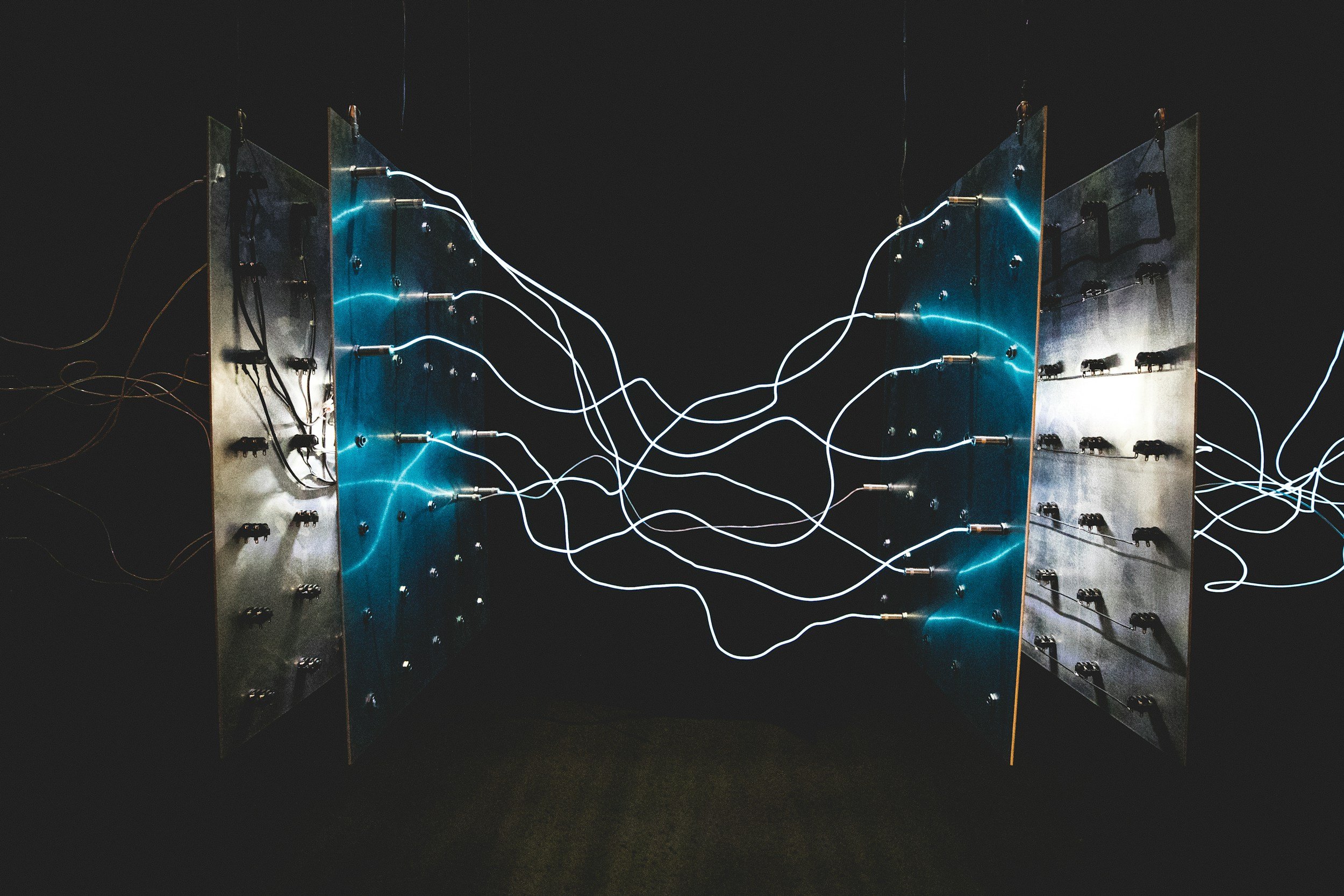
UK campsite electricity is typically a 230V single-phase supply delivered via safe campsite connection points.
Motorhomes: 16A 3-pin blue CEE hook-up
Motorhomes and touring setups commonly use the blue 16A CEE connector (often called “commando”). It’s robust, weather-suited, and designed for campsite use.
What that means for you: more headroom to run appliances, charge multiple devices, and keep the van comfortable — as long as you don’t stack multiple high-watt “heat” appliances at once.
Tents (camping + glamping): 13A 4-gang UK sockets
For tents, people generally don’t want a blue CEE lead and consumer unit setup — they want simple, usable sockets for charging and lighting.
So we provide a 13A 4-gang: perfect for phones, power banks, lights, cameras, small fans, and other “race-week essentials.”
The easy power rule: watts are what trip you, not the number of plugs
A simple way to think about power is:
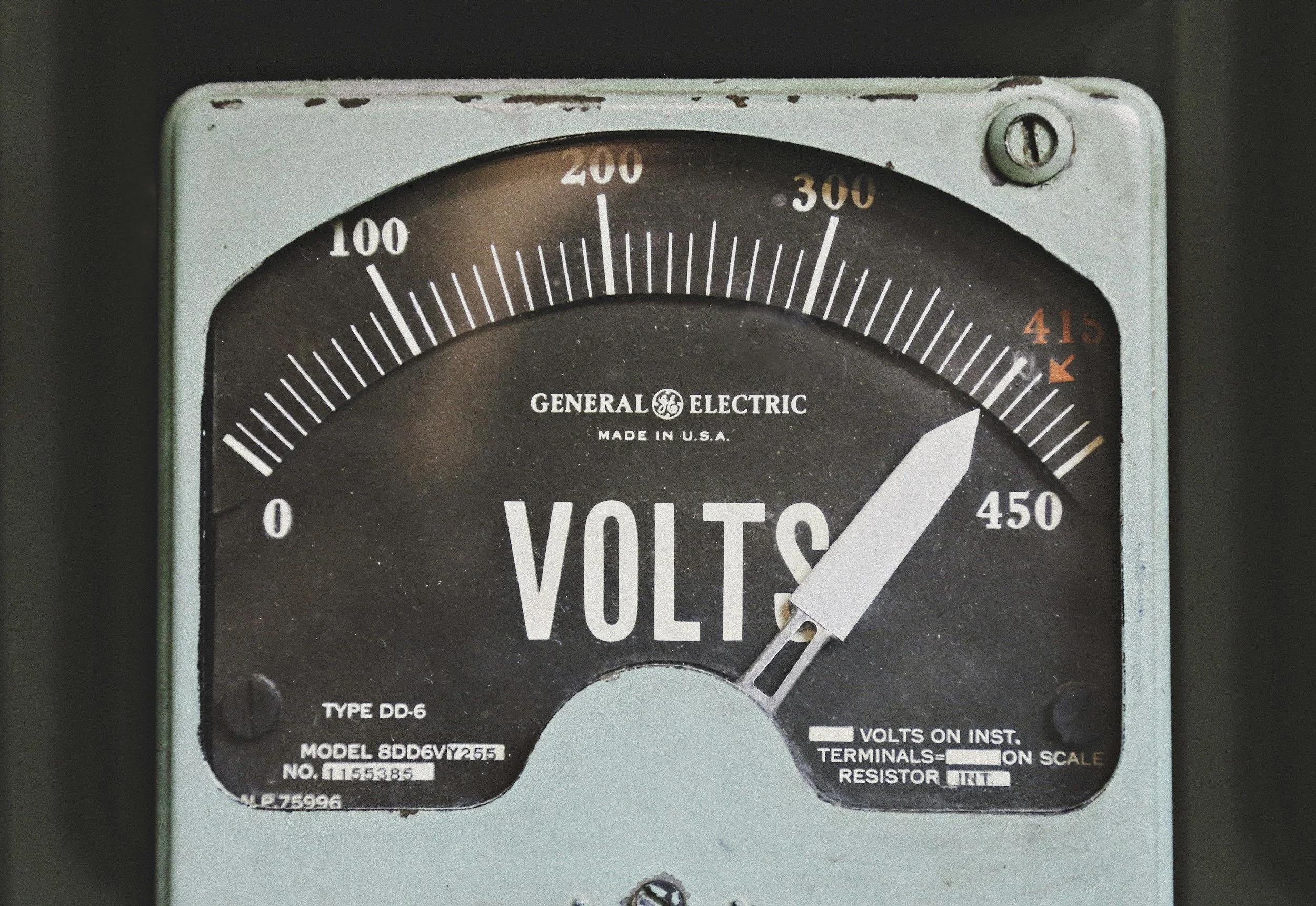
Watts ≈ Volts × Amps
UK “mains-style” supply is ~230V, so:
13A ≈ ~3,000W (rough guide)
16A ≈ ~3,680W (rough guide)
Real systems vary, and things can surge on startup — but this is enough to understand the key point:
Heat appliances are the danger zone
The biggest power draws are anything that creates heat:
kettles
hairdryers
heaters
air fryers / hot plates / toasters
Even if your pitch has the capacity, stacking two big heat appliances at once is the most common reason for trips.
What you can run at PitStop.
Camping + glamping tents (13A 4-gang): best use-cases
This setup is ideal for:
phone charging (multiple phones)
power banks
camera/radio chargers
LED lighting
laptops/tablets
small fans
inflators (briefly)
coolbox (check wattage)
What we recommend: treat tent power as “charging + comfort,” not cooking and heating.
Motorhomes (16A blue CEE): what it comfortably supports
16A is the standard campsite hook-up format for touring units, and it gives you flexibility to run:
your van’s onboard systems (charger, sockets)
multiple device charging
lighting + TV (where fitted)
a coolbox/mini fridge
fans
some higher draw appliances one at a time
A nearby Silverstone campsite’s own guidance is very similar in spirit: bring outdoor-grade 16A leads (often at least 15m) and use appropriate, weather-protected connections — reinforcing that touring EHU is meant for proper campsite ki.
“Can I run this?” quick answers
Can I run a kettle?
In a tent (13A 4-gang): maybe, but kettles are often 2–3kW — they’ll hog your entire budget and can trip things if anything else is running.
In a motorhome (16A): more feasible, but still treat it as “run it alone.”
Better plan: boil on gas and keep EHU for charging/cooling.
Can I run a hairdryer?
Tent sockets: hairdryers are often 1600–2200W. They can work, but they’re the classic trip-maker if anything else is running.
Motorhome: usually fine, but don’t stack it with kettles/heaters.
Can I run a fan all night?
Yes — one of the best uses of EHU for sleep.
Can I run a coolbox or mini fridge?
Usually yes, but check the label. Some units surge when cycling — if you’re also running something heavy, pause the coolbox temporarily.
Can I run an air fryer / hot plate?
That’s where people get caught out. Many are 1400–2000W+.
Tent sockets: it can trip if you’re charging lots of devices at the same time.
Motorhome: possible, but run it alone.
Can I run an electric heater?
We don’t recommend it. Heaters are typically 2kW and chew through your capacity fast, increasing trip risk and not being great practice in tent environments.
How not to trip your supply (works for both setups)
1) Pick “always-on” items
charging hub
LED lights
coolbox (optional)
fan (optional)
2) Run heat appliances one at a time (or off-grid)
If it makes heat, assume it needs to be the only big thing running.
3) Don’t use dodgy indoor extension reels
If you use a reel, uncoil it fully when in use. Keep connectors dry and off the ground.
This aligns with mainstream campsite electrical safety guidance: your hook-up cable/setup and your appliances are your responsibility.
What to bring (and what you can leave at home)
For camping + glamping tents (13A 4-gang)
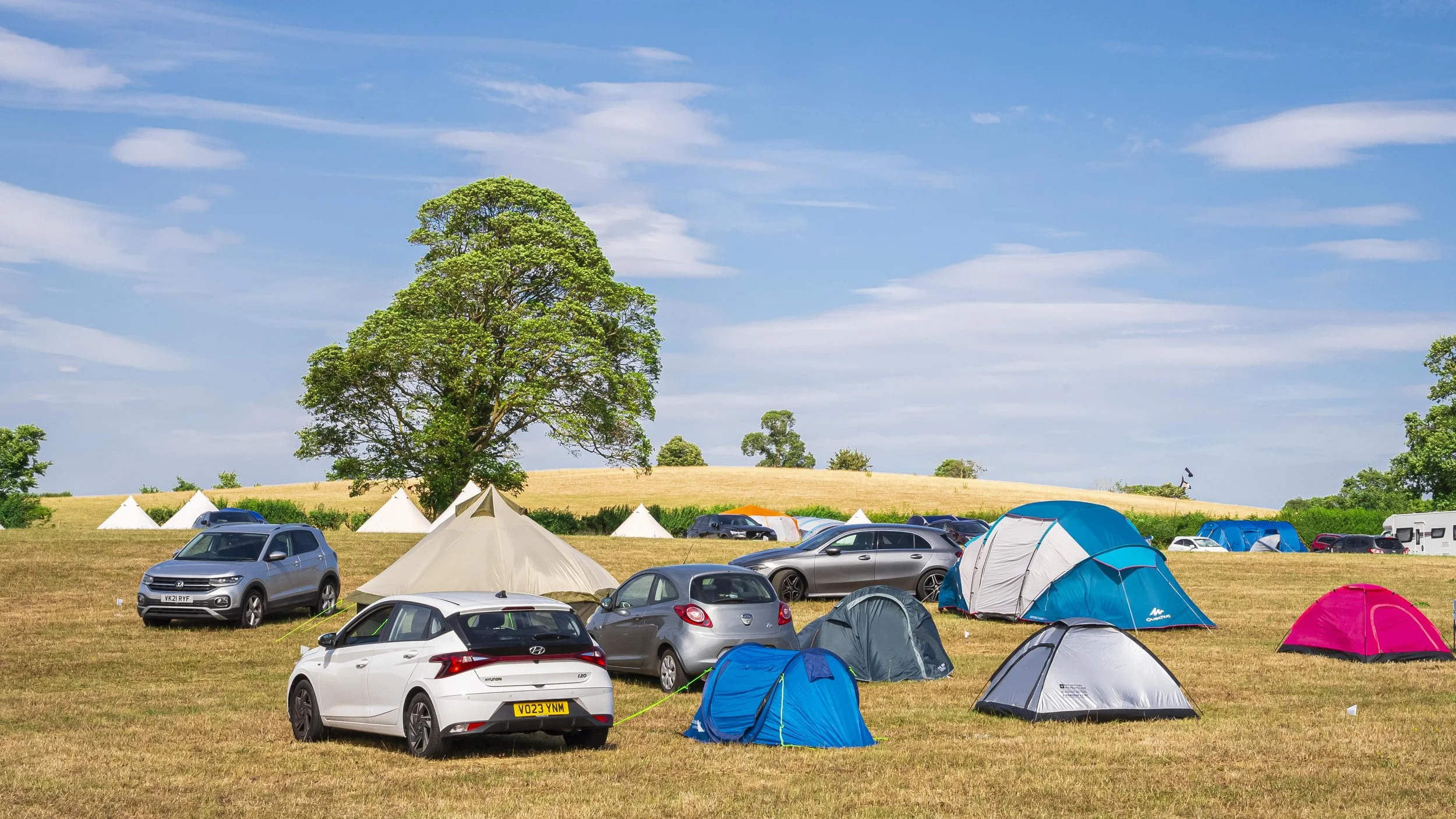
Bring:
USB charging hub
long charging cables
power banks (backup)
LED lights
Skip:
high-watt cooking devices
heaters
anything “kitchen-countertop” that’s designed for home
For motorhomes (16A hook-up)
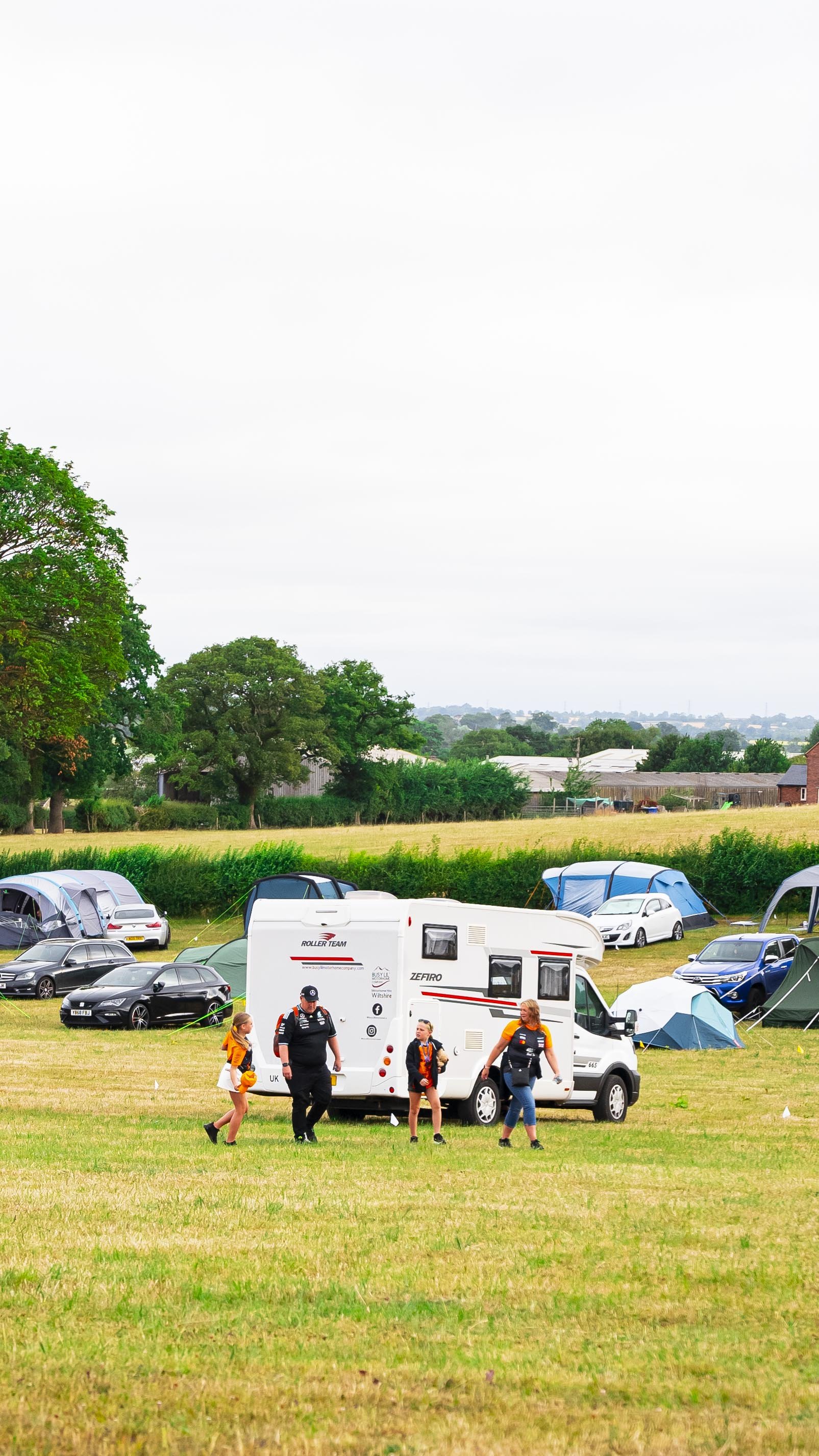
Bring:
your standard blue CEE hook-up lead (if you normally carry one)
weatherproof cable management / join cover (if needed)
(If you want to add a line about lead specs/lengths: some Silverstone-area sites recommend outdoor grade 16A cables of at least ~15m and appropriate connectors — useful as a best-practice benchmark.)
PitStop stays: choose your base, then choose your power
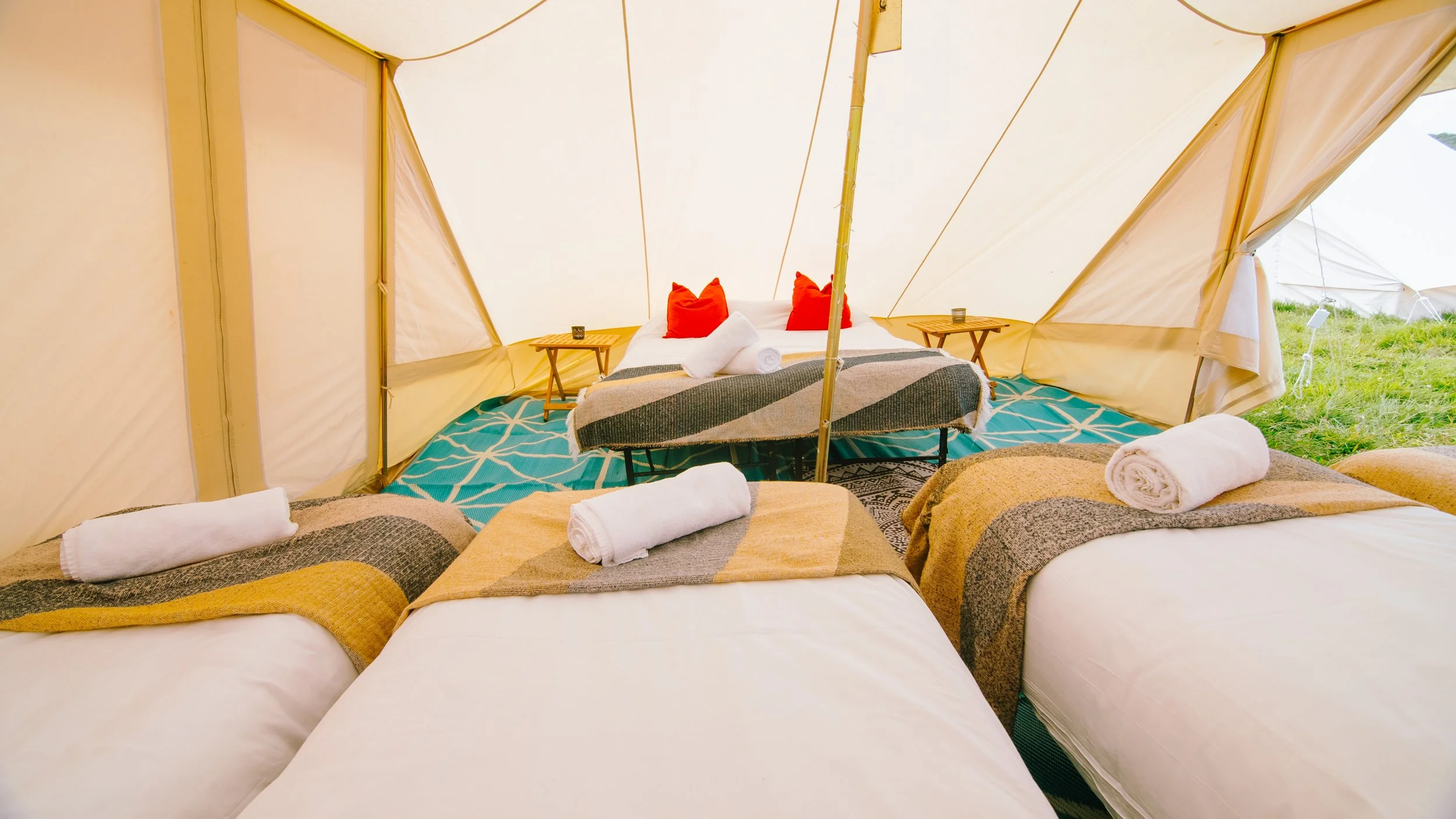
We offer:
Glamping (easy comfort)
Camping pitches (best atmosphere/value)
Motorhome pitches (best basecamp practicality)
Then add electricity depending on how you want to do the weekend:
Camping + glamping: 13A 4-gang
Motorhomes: 16A 3-pin blue CEE
If you want the smoothest race week: use EHU for charging, lighting, cooling and comfort — and keep cooking/boiling mostly off-grid.